Greenspan, Gold, and the Fed
Reaching the masses with the truth about gold and the Fed

All episodes of Health, Wealth, and the Pursuit of Happiness are available on YouTube, Spotify and Rumble
The Four-Letter Economic Words we all should live by
Declaration of Independence 2.0 can be viewed here. Become a signer and you will receive a PDF copy suitable for framing.
*********************************
Get Your July Rothbard Giveaway Book! The Origins of the Federal Reserve
******************************
My latest letter in the WSJ. Two letters in a week!
*******************************
What Alan Greenspan’s Legacy Might Have Been
He should have remained faithful to the principles he articulated in 1966.
July 10, 2026 9:36 am ET online and in the print edition today.
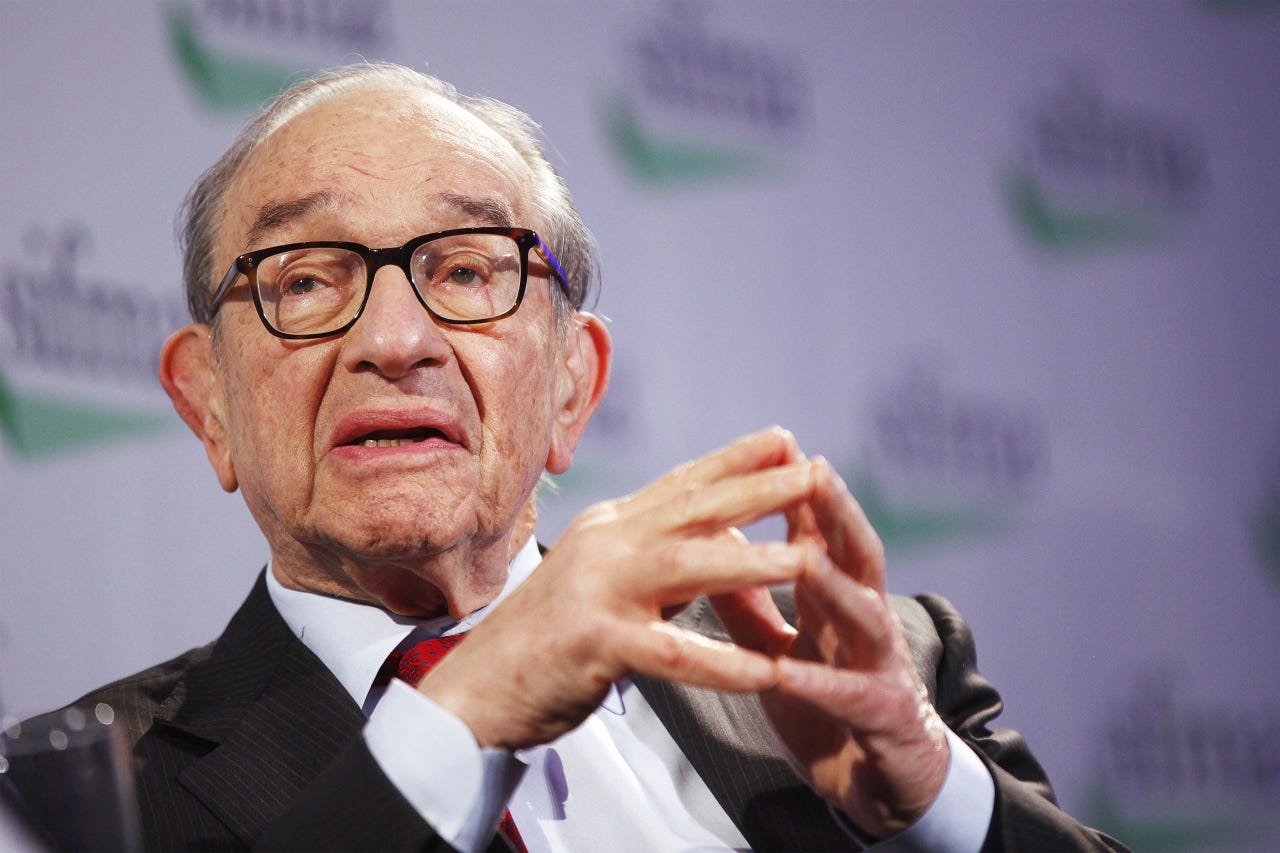
Former Fed Chairman Alan Greenspan in New York, Oct. 23, 2012. Lucas Jackson/Reuters
Regarding your editorial “The Myth of the ‘Maestro’ ” (June 23): The death of former Federal Reserve Chairman Alan Greenspan invites reflection on one of the great ironies in modern economic history. Long before he became the nation’s chief central banker, Greenspan authored an insightful 1966 essay, “Gold and Economic Freedom,” in which he identified the Federal Reserve’s easy-money policies as the primary cause of the unsustainable stock market boom of the 1920s.
Greenspan argued that central bank credit expansion and artificially low interest rates fueled speculative excesses that inevitably ended in the Great Depression. He also explained that the Fed enables chronic federal deficit spending by creating money and suppressing interest rates below market levels, allowing politicians to finance government expansion without immediately imposing the full cost on taxpayers.
Greenspan contended that a gold-backed monetary system would restrain government spending, prevent reckless money creation and largely eliminate the destructive boom-bust cycle that has plagued modern economies. Gold, he wrote, protects citizens from the confiscation of wealth through inflation.
Ironically, as Fed chairman, Greenspan pursued many of the same policies he once criticized. His tenure was marked by easy money and below-market interest rates that contributed to the dot-com bust, followed by the housing bubble. Had Greenspan remained faithful to the principles he articulated in 1966, his legacy might have been far different.
Murray Sabrin
Naples, Fla.
********************************************
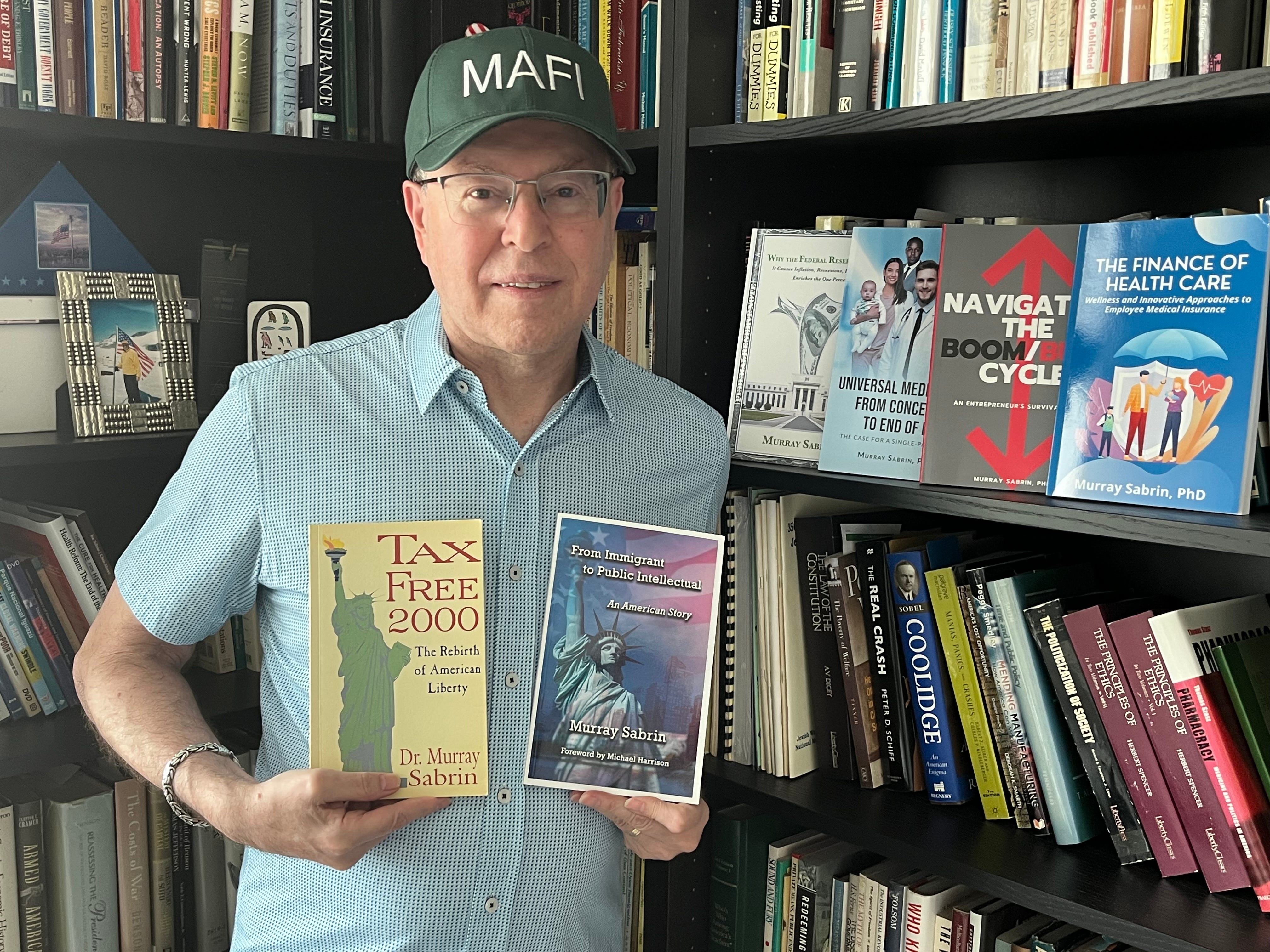
I created the MAFI movement—MAKE AMERICANS FINANCIALLY INDEPENDENT—to take back the country from the statists, democratic socialists, money printers, and the military-industrial complex. Please visit mafiusa.com.
*******************************************************
To celebrate the 250th anniversary of the Declaration of Independence on July Fourth, you can order a MAFI hat with the coupon code CELEBRATE10 for a $10 discount. When you wear a MAFI hat, you officially become a MAFI(oso) and a member of the movement to restore financial independence and economic freedom in America.
*******************************************************
Murray Sabrin, PhD, is emeritus professor of finance, Ramapo College of New Jersey. Dr. Sabrin is considered a “public intellectual” for writing about the economy in scholarly and popular publications. He is also an Associated Scholar at the Mises Institute. His book, The Finance of Health Care: Wellness and Innovative Approaches to Employee Medical Insurance (Business Expert Press, Oct. 24, 2022), and his other BEP publication, Navigating the Boom/Bust Cycle: An Entrepreneur’s Survival Guide (October 2021),provides decision makers with tools needed to help manage their businesses during the business cycle. Sabrin’s autobiography, From Immigrant to Public Intellectual: An American Story, was published in November, 2022. He is also the author of Why the Federal Reserve Sucks.